
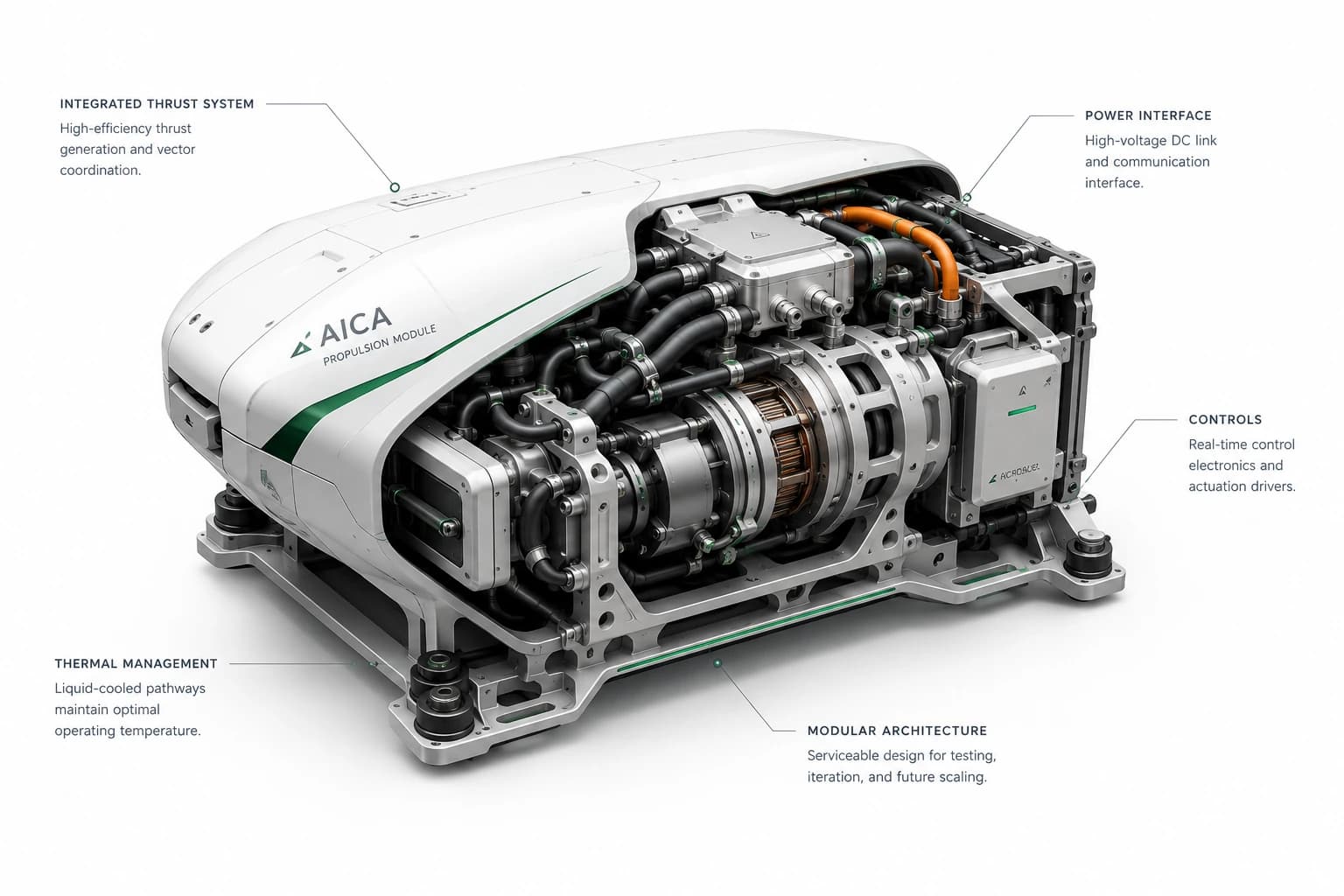
Propulsion
Translates controlled power into lift and directional response.
Independent engineering initiative
AICA is an early-stage vertical-mobility initiative using a documentation-first process to define assumptions, engineering questions, model requirements, and future validation criteria.
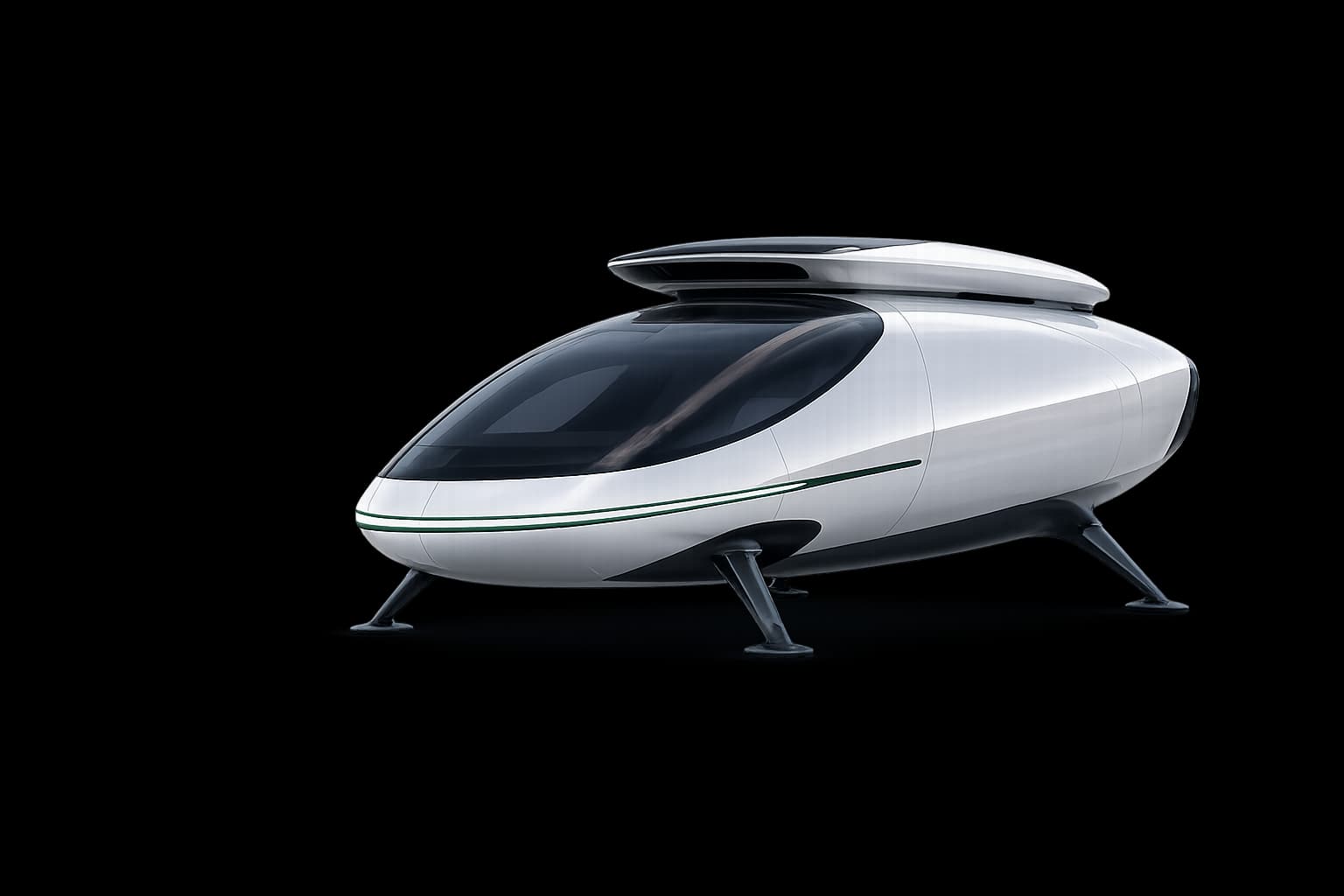
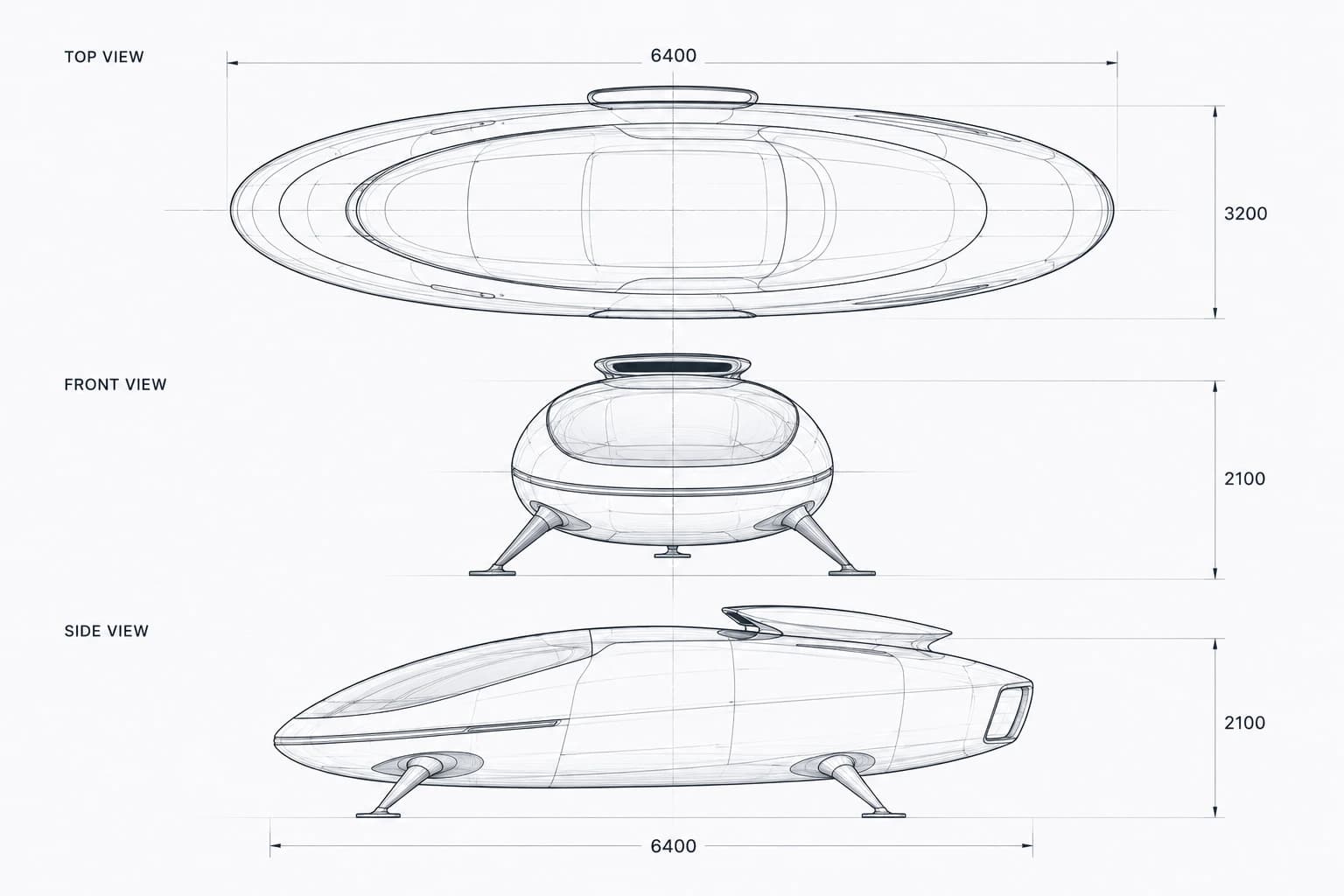
Concept reference
Visual studies support discussion and traceable engineering questions; they do not represent a validated aircraft.
Program status
System architecture
Every subsystem contributes to an integrated architecture designed for safety, efficiency, testability, and future validation.
View architecturePropulsion
Translates controlled power into lift and directional response.
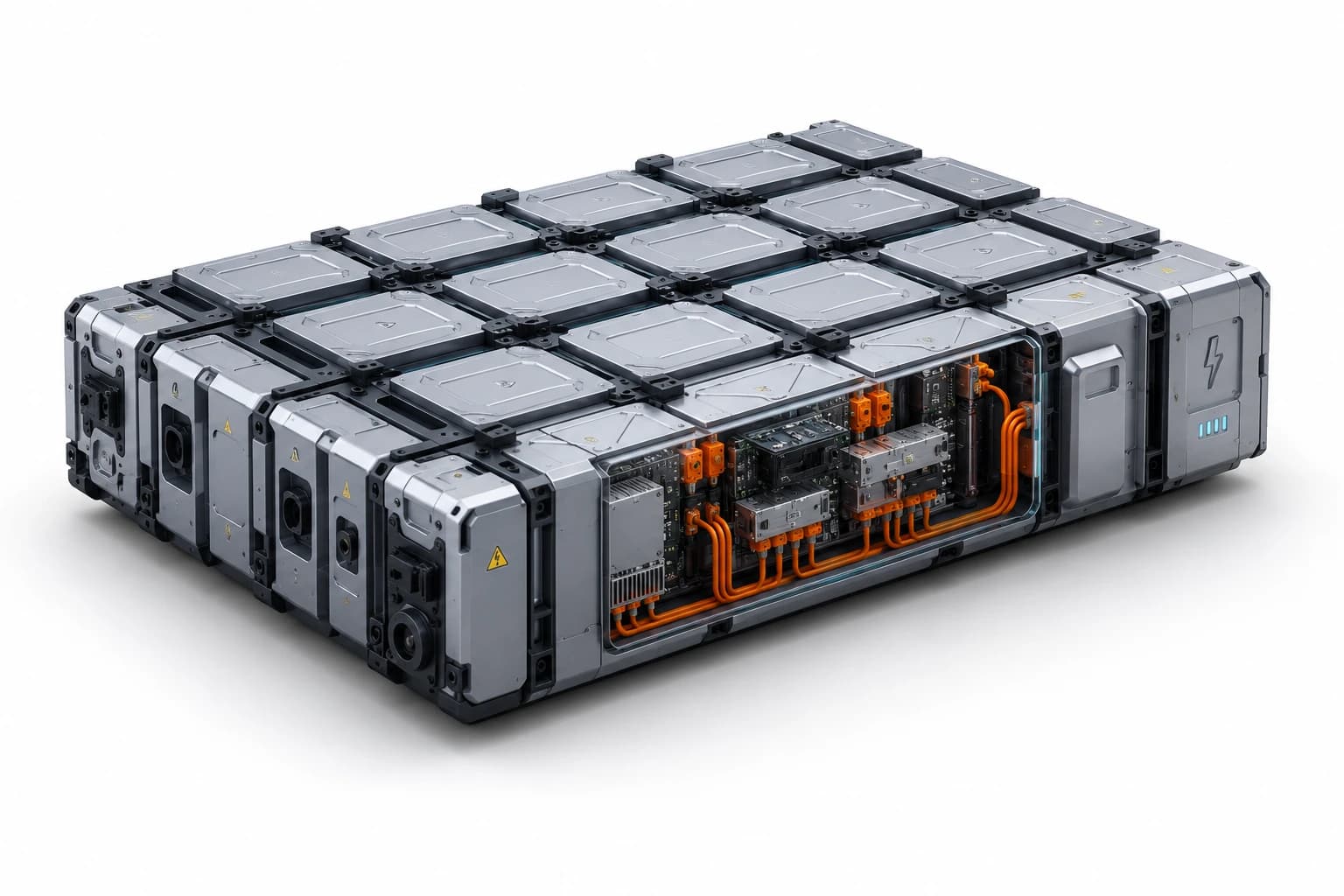
Energy
Frames power storage, delivery, thermal, and monitoring questions.
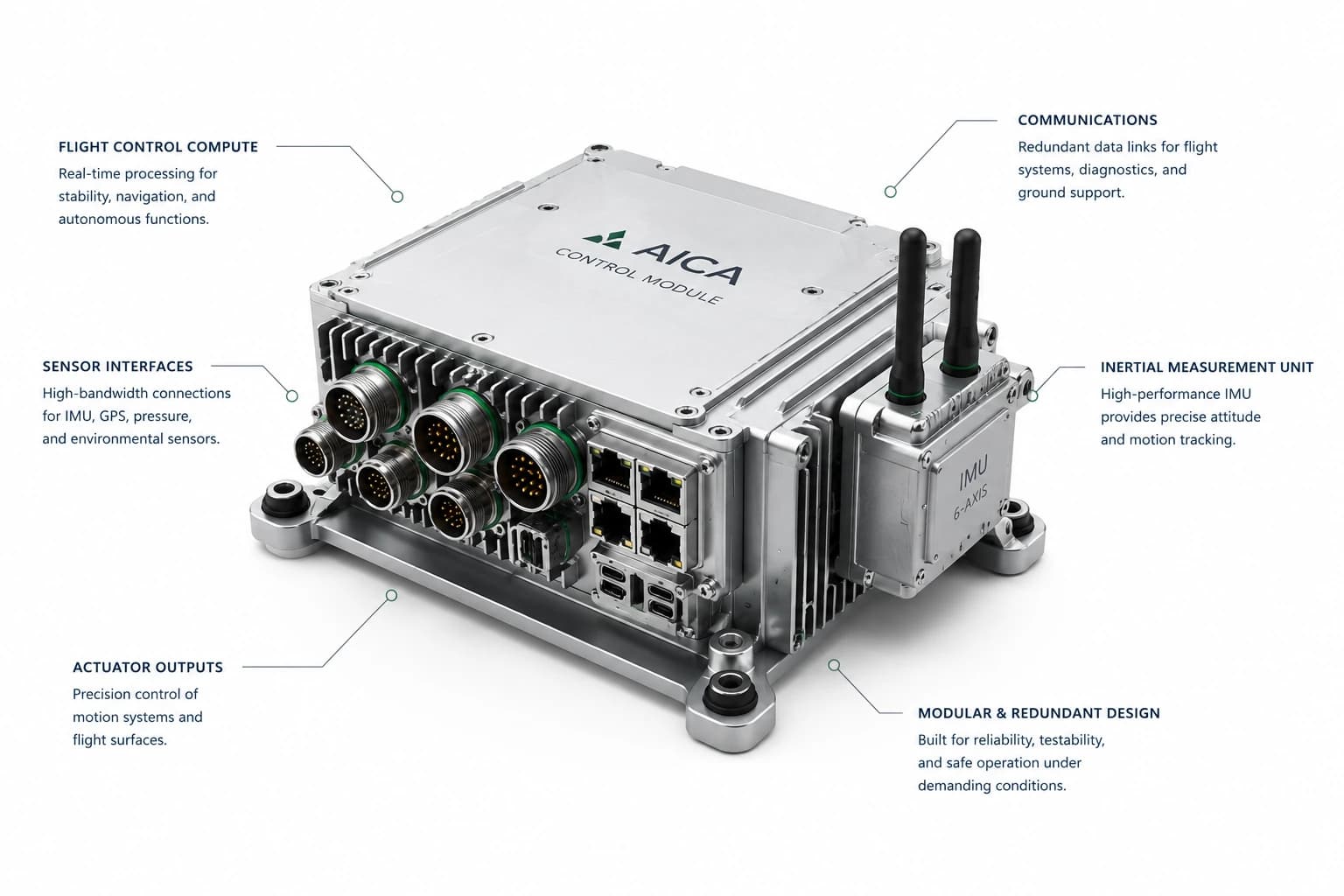
Control
Coordinates sensing, command, and bounded system response.
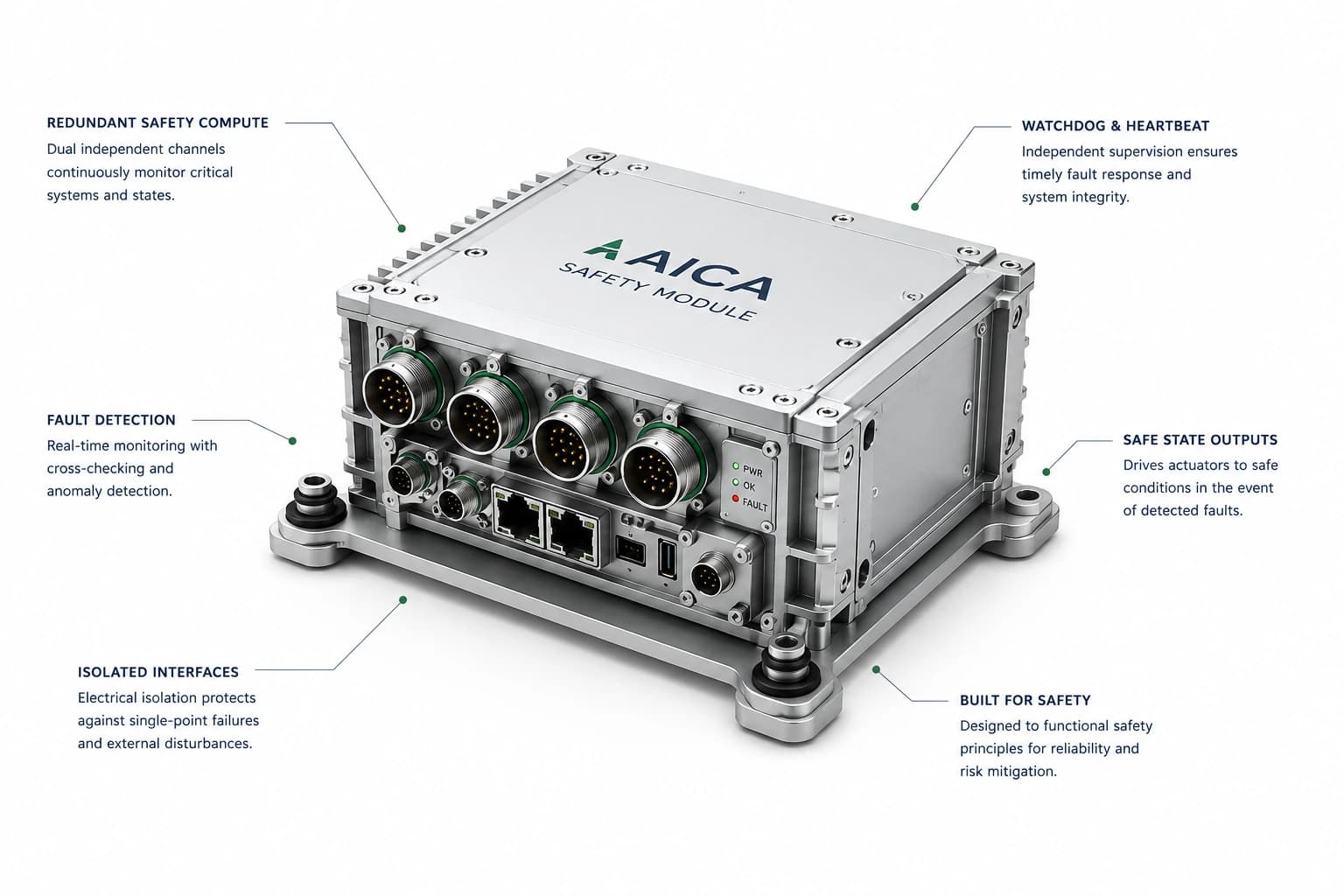
Safety
Defines layered monitoring, limits, and fault-aware behavior.
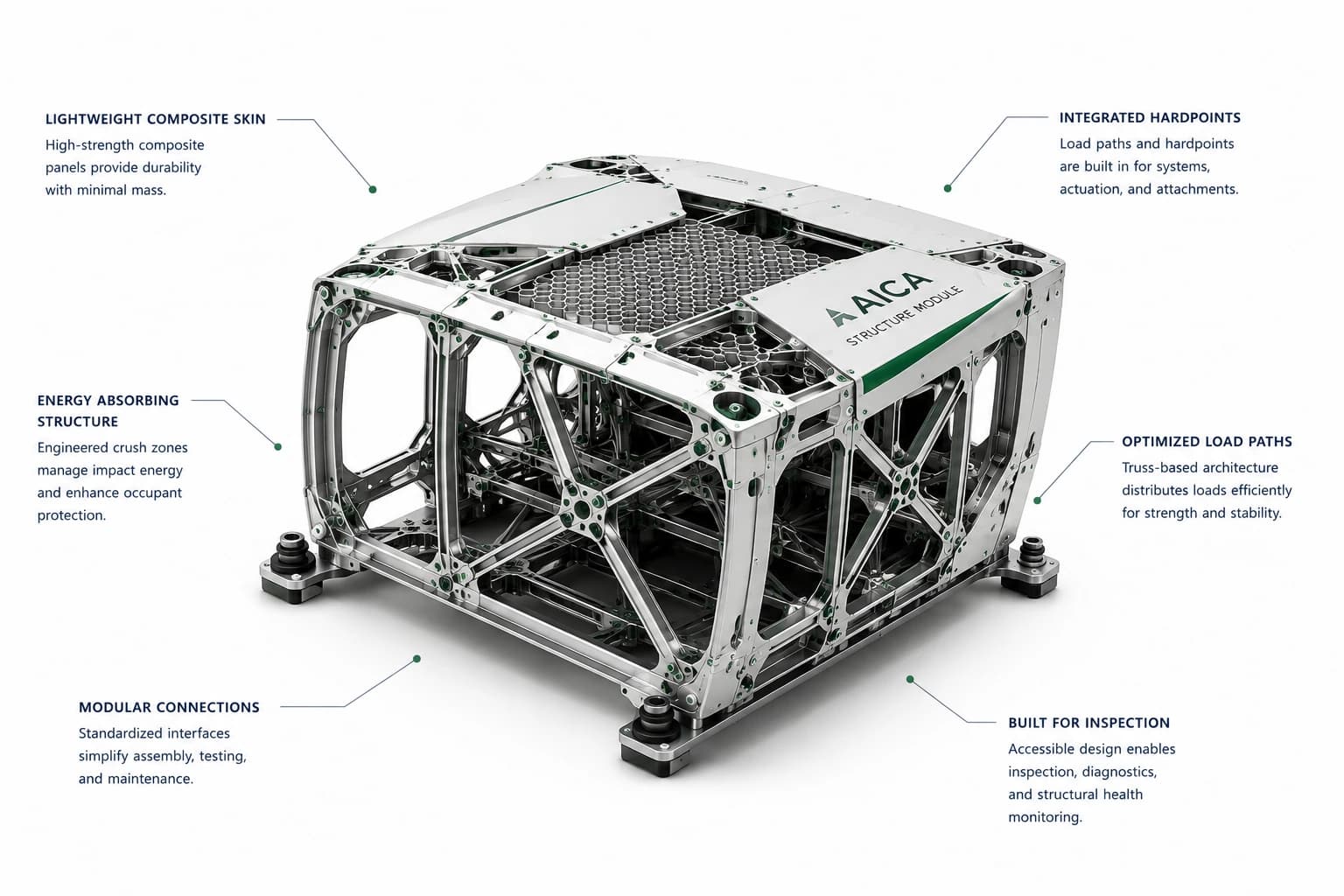
Structure
Connects loads, materials, interfaces, and inspectability.
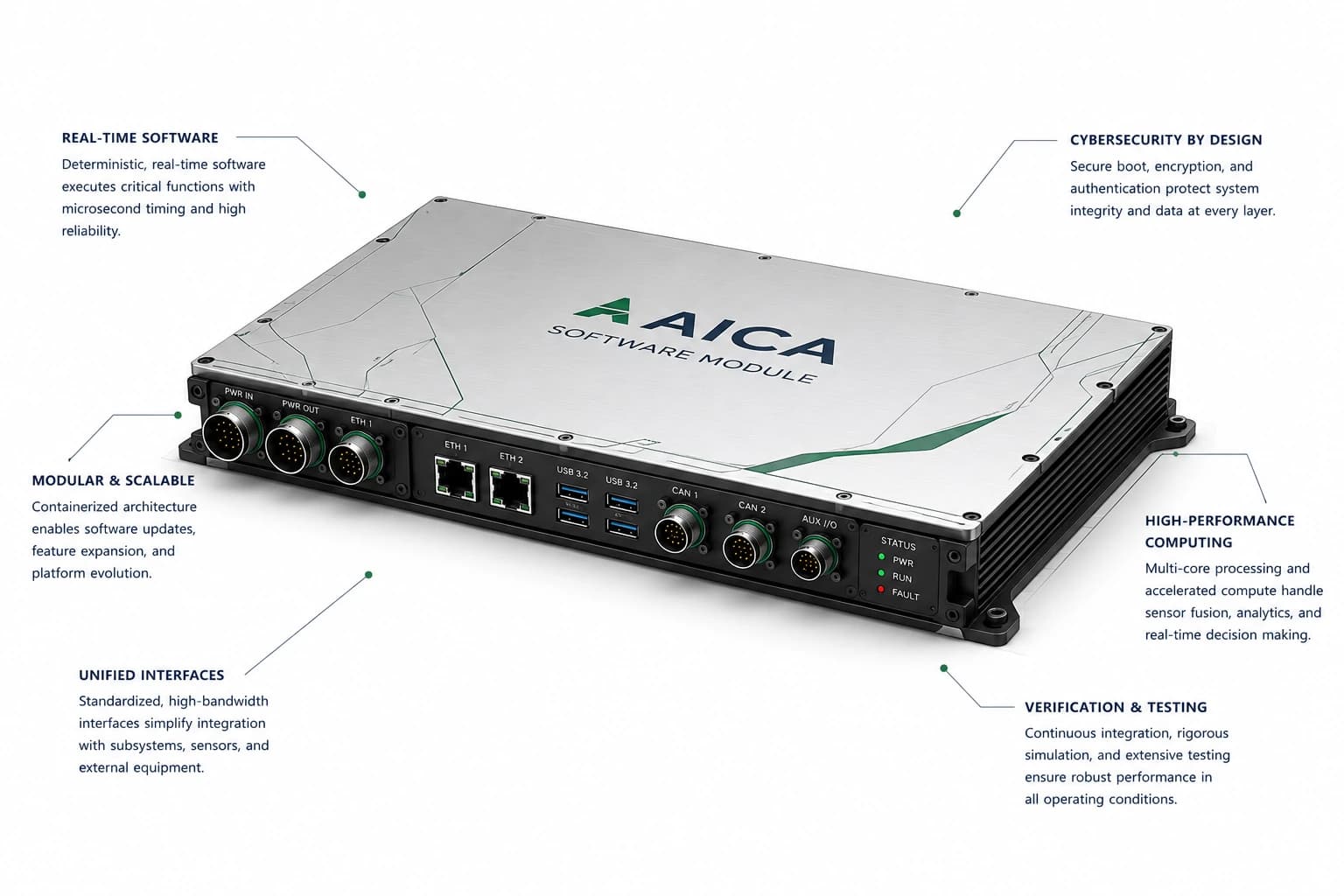
Software
Supports traceable logic, simulation, and verification workflows.
Research areas
AICAs research programme combines simulation, experimental validation, systems engineering, and iterative vehicle development.
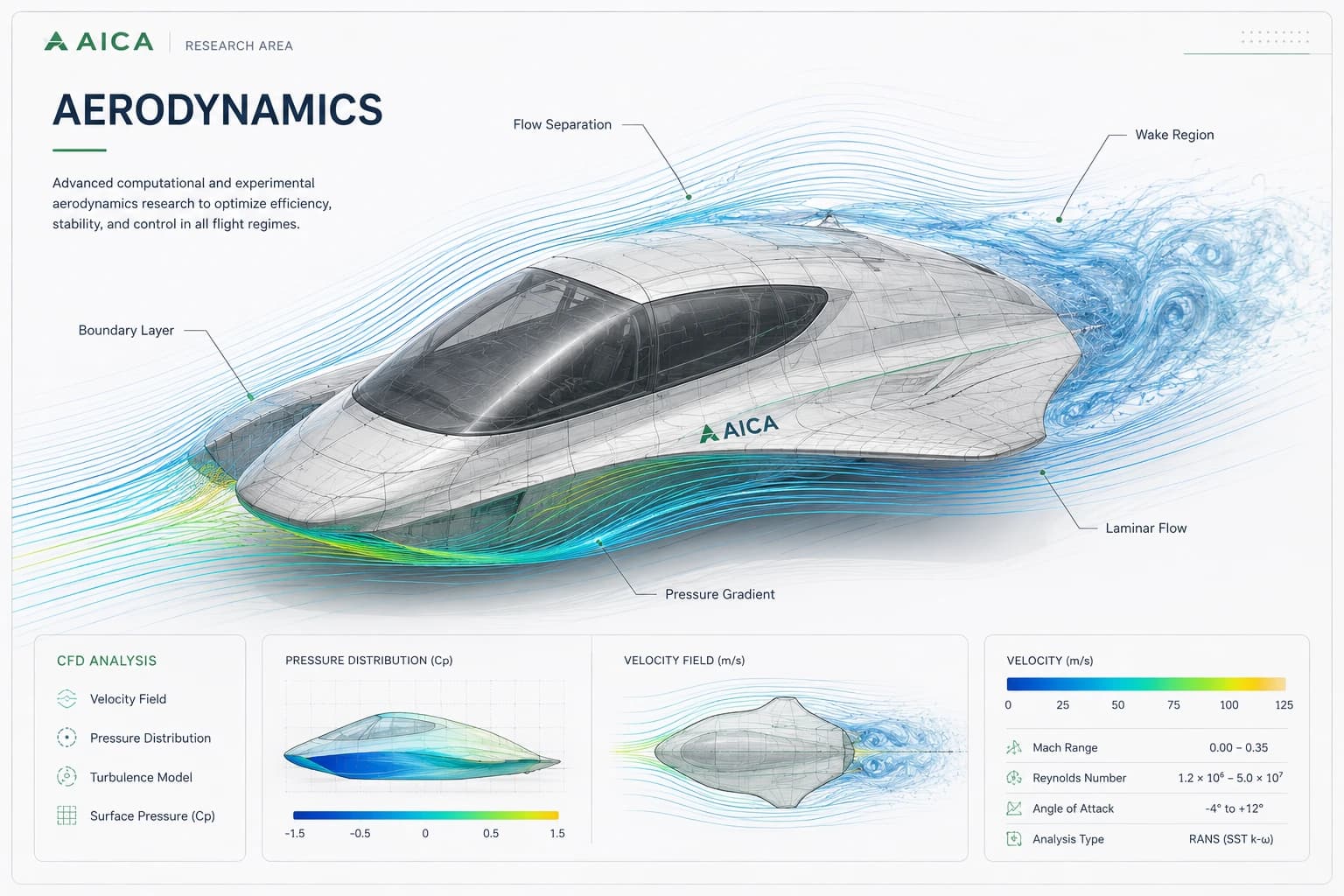
CFD · Flow analysis · Vehicle stability
Computational and experimental analysis of airflow, pressure distribution, stability, efficiency, and vehicle behaviour across representative flight conditions.
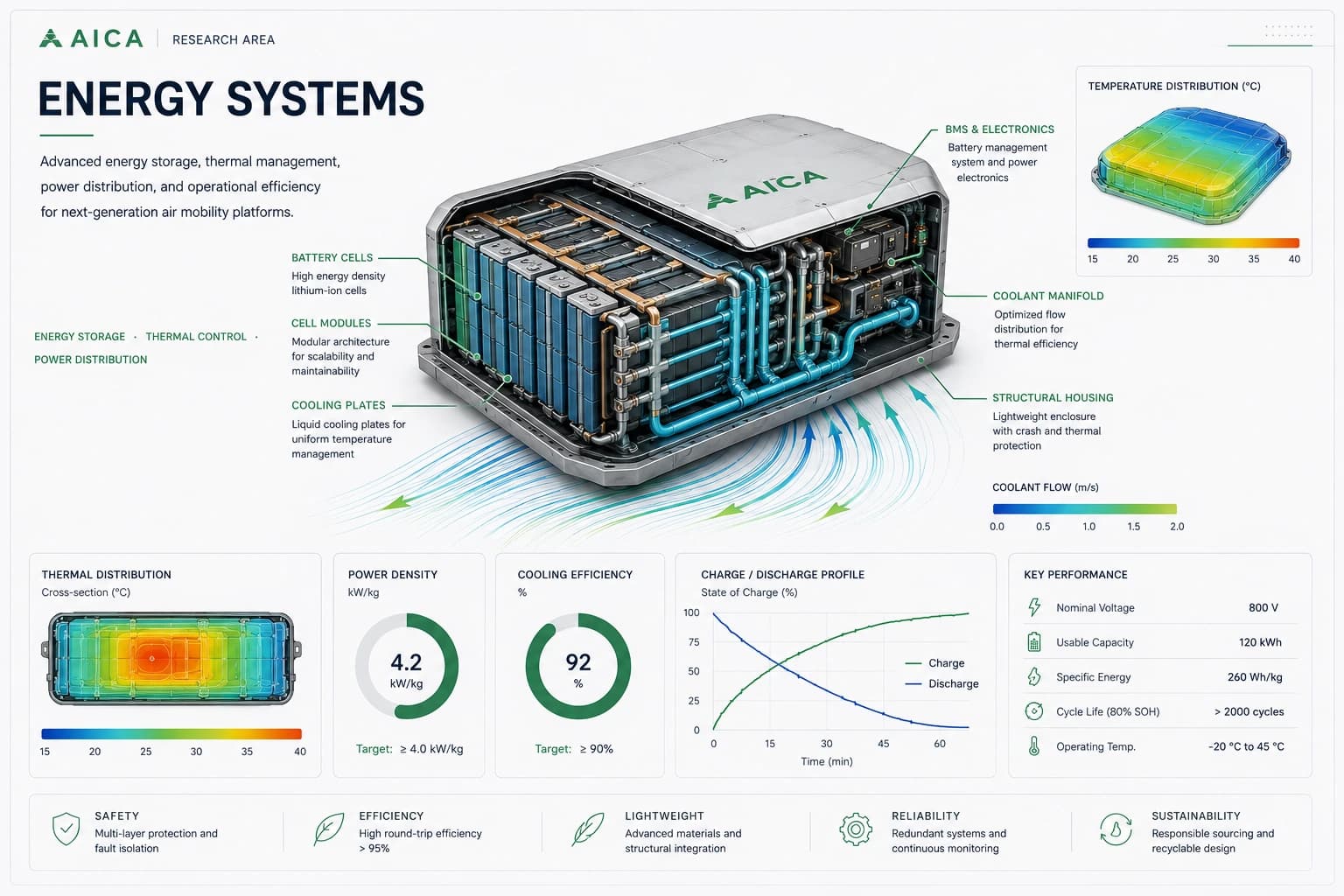
Energy storage · Thermal control · Power distribution
Advanced energy storage, thermal management, power distribution, and operational efficiency for next-generation air mobility platforms.
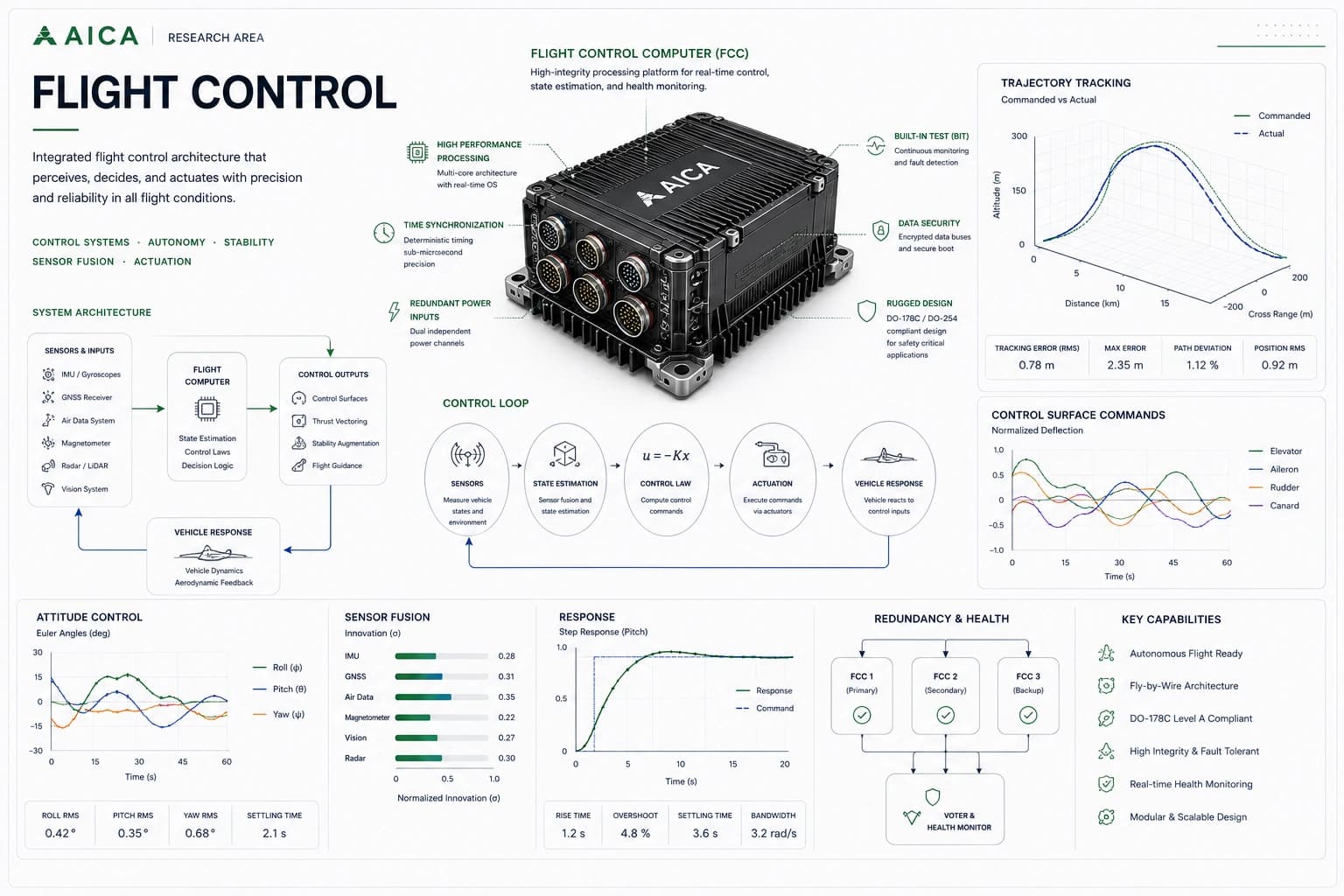
CONTROL SYSTEMS AUTONOMY STABILITY
Integrated sensing, state estimation, guidance, and control architectures designed for precise, stable, and fault-aware vehicle operation.
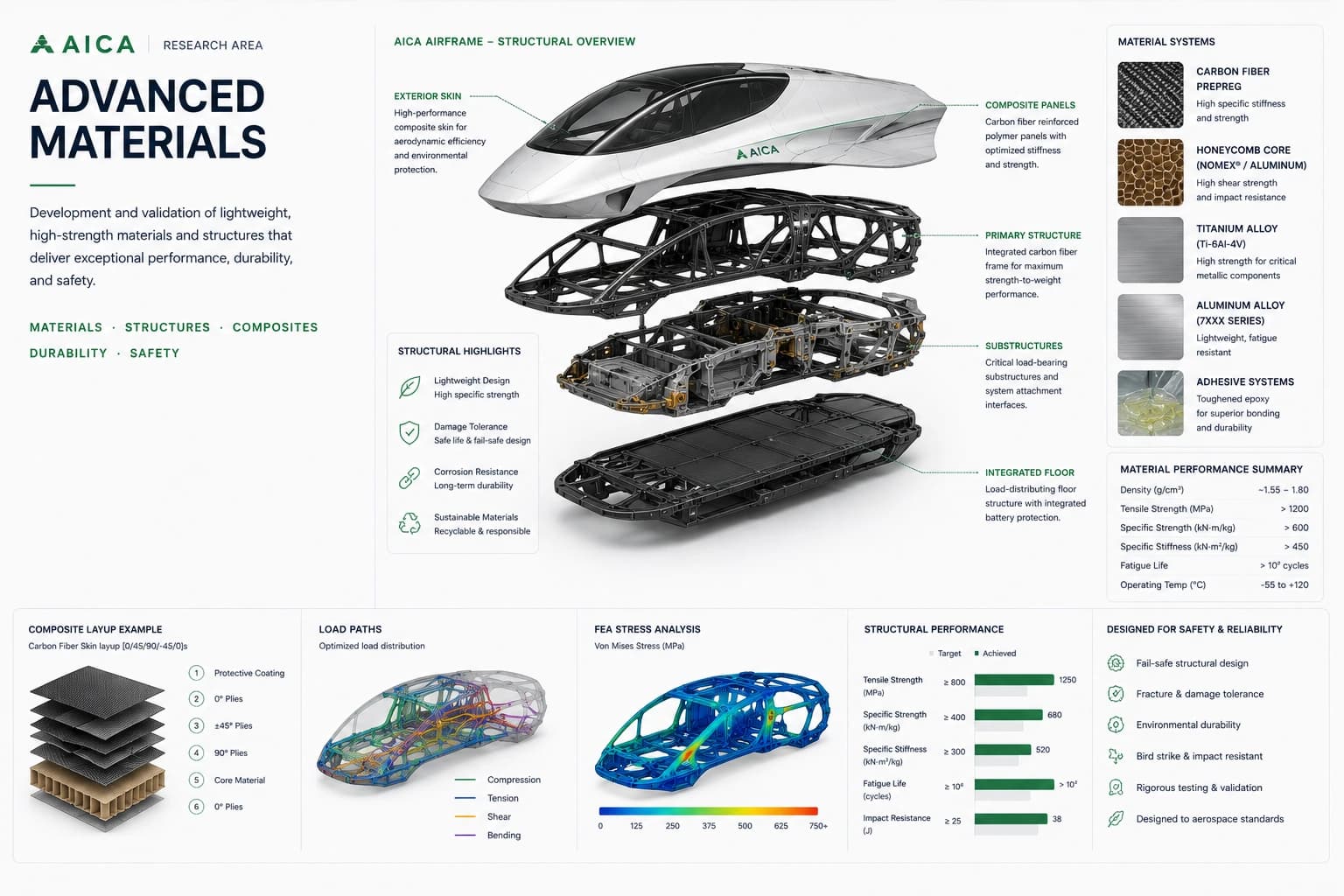
MATERIALS STRUCTURES COMPOSITES DURABILITY
Development and validation of lightweight, high-strength materials and structural architectures designed to improve efficiency, durability, manufacturability, and safety.
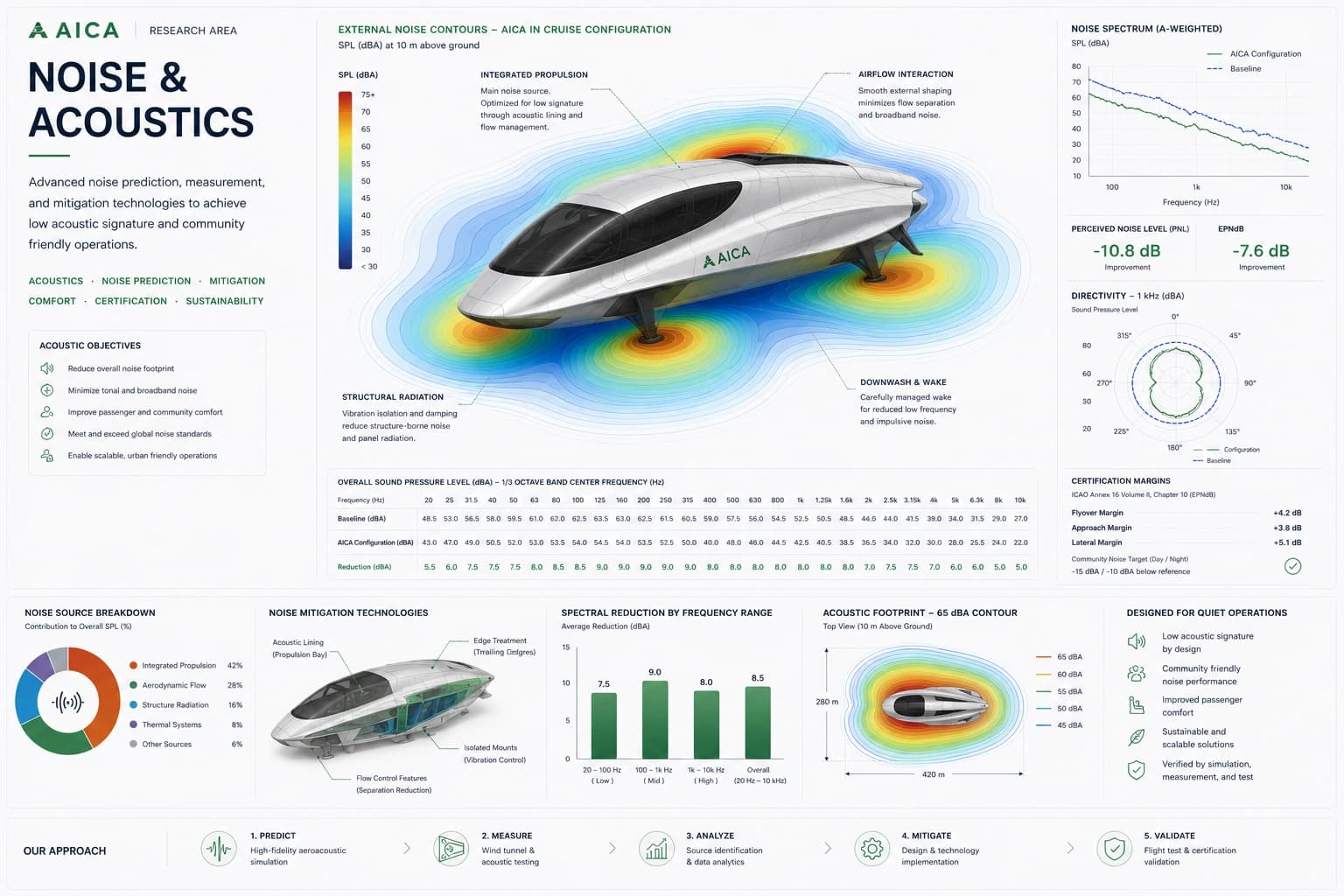
ACOUSTICS NOISE PREDICTION MITIGATION COMFORT
Prediction, measurement, and mitigation of aerodynamic, structural, and propulsion-related noise to reduce acoustic impact and improve operational comfort.
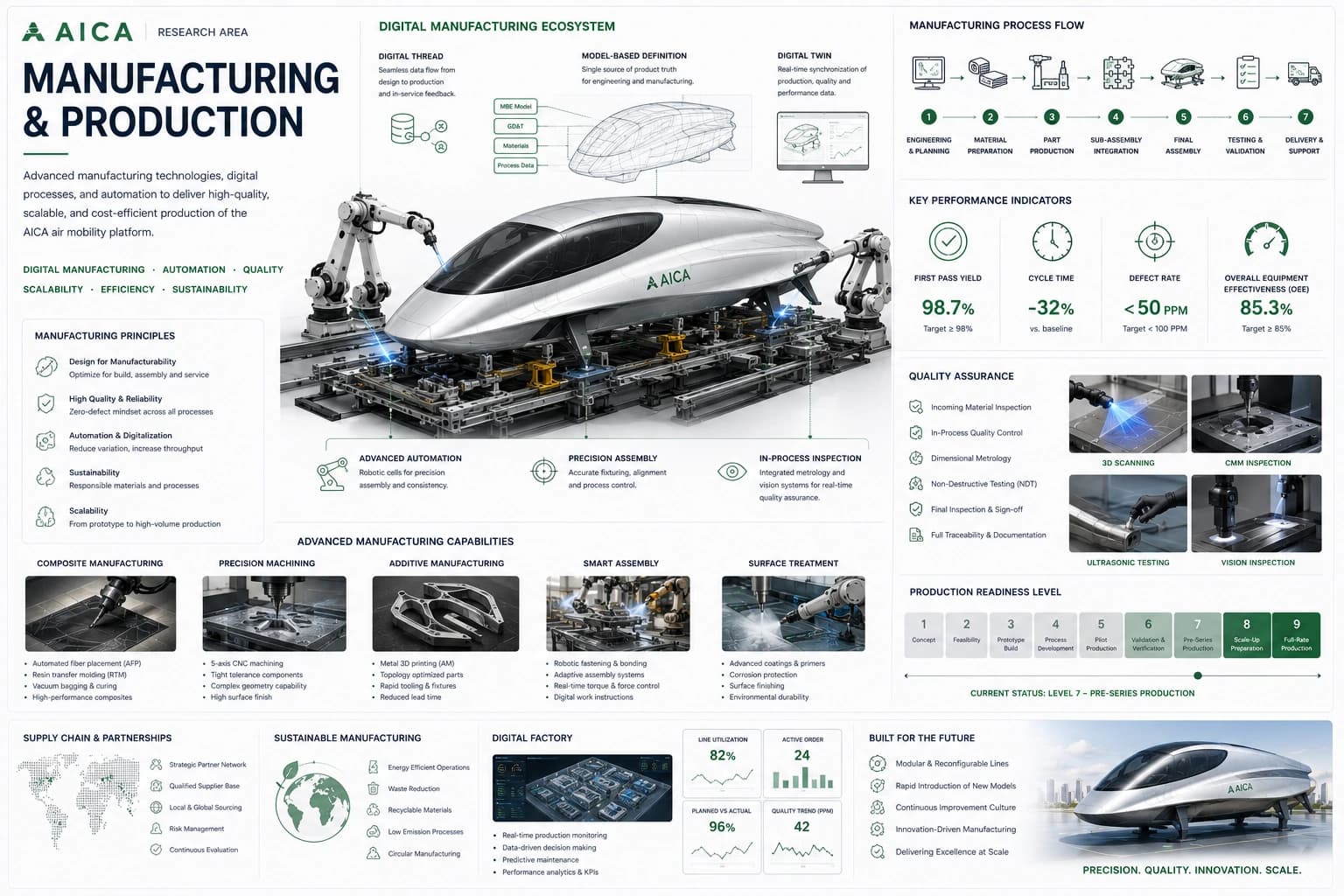
MANUFACTURING AUTOMATION QUALITY SCALABILITY
Development of digital manufacturing, automated assembly, inspection, and production methods designed to translate validated engineering into repeatable and scalable vehicle manufacturing.
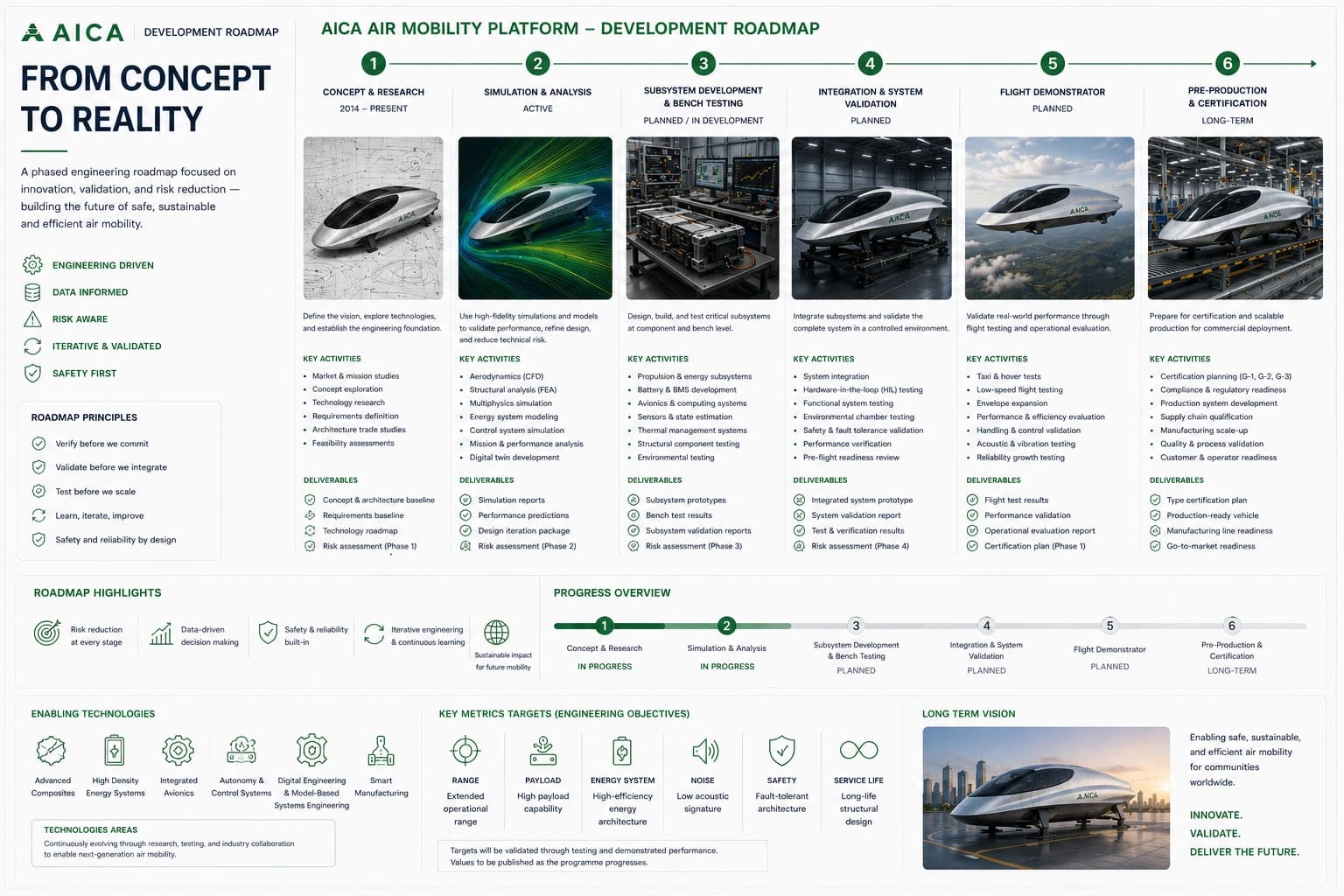
Development roadmap
AICA follows a phased engineering programme focused on simulation, subsystem validation, integration, testing, and progressive reduction of technical risk.
Journal
Updates, design decisions, research observations, and development milestones from the ongoing AICA engineering programme.
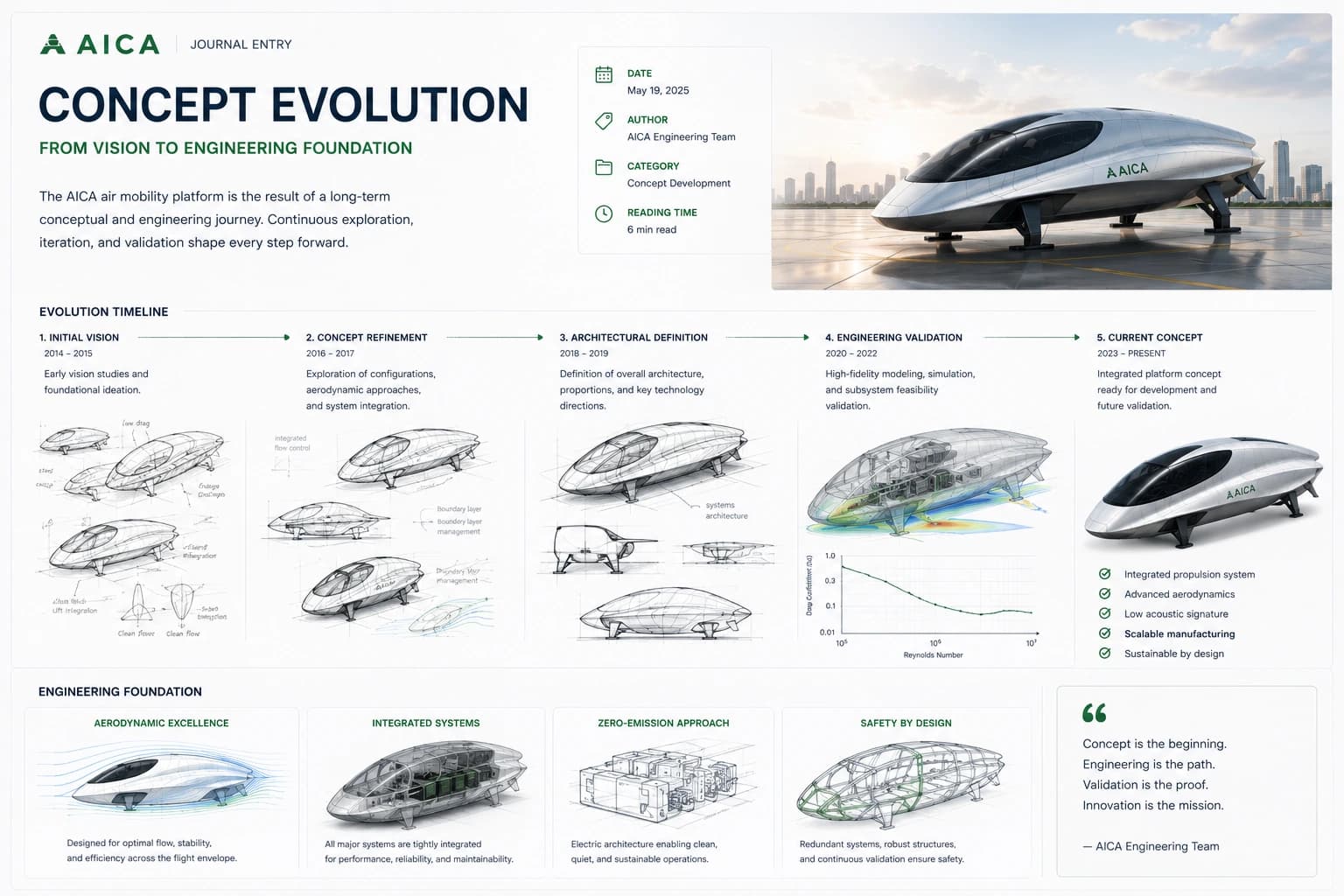
Concept development
A look at how the AICA air mobility concept has evolved through research, architecture studies, simulation, and iterative engineering development.
Read engineering record
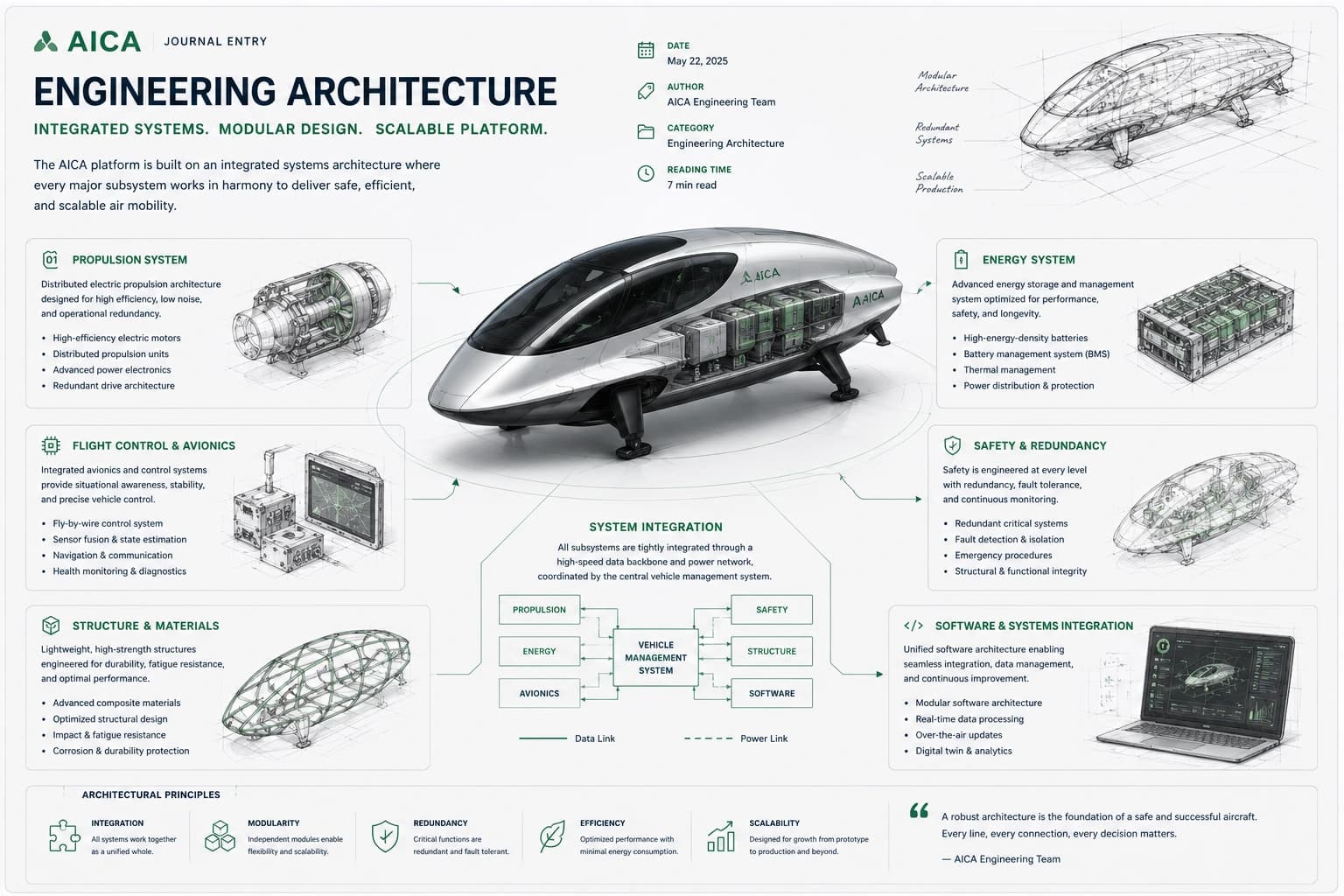
Engineering architecture
An overview of the integrated architecture connecting propulsion, energy, control, safety, structure, and software across the AICA platform.
Read engineering record
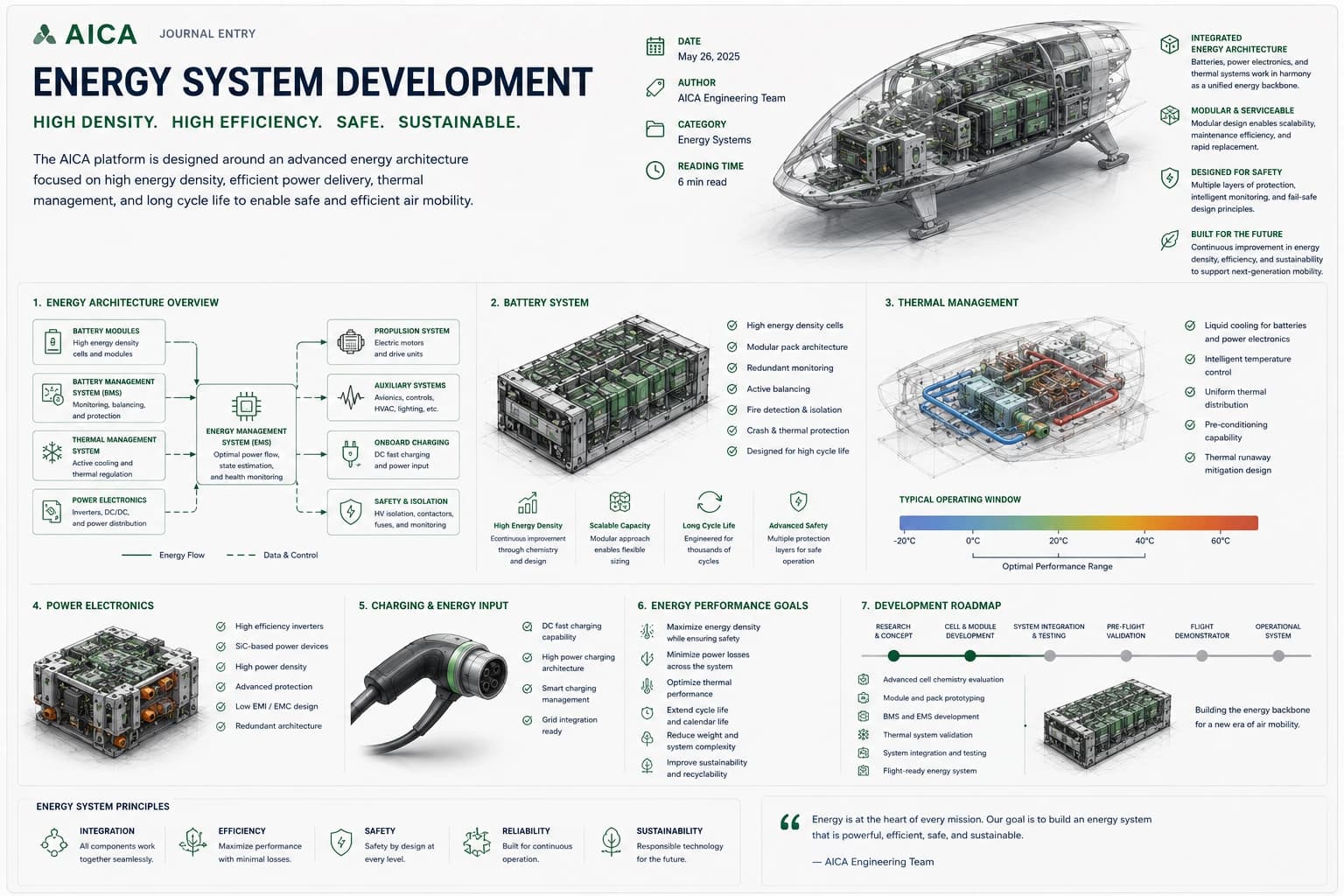
Energy systems
A closer look at the architecture, thermal management, power electronics, safety strategy, and modular development path of the AICA energy system.
Read engineering record
Engineering Principles
AICA follows a development philosophy in which technical claims, design decisions, and programme milestones are tied to analysis, validation, and measurable evidence.
Decisions are driven by analysis, modelling, testing, and measurable evidence.
Assumptions, methods, limitations, and development progress are documented openly.
Safety is treated as a system-level requirement from the earliest design stages.
AICA is developed as an independent engineering initiative with a long-term technical focus.
Claims follow evidence. Performance figures are published only when supported by calculation, simulation, or physical testing.
Investment
AICA is preparing to move from analytical and simulated engineering toward subsystem development, bench testing, and progressive physical validation.
Public development documentation
The current phase is a documentation baseline. These materials define what the program is, what it does not yet claim, and how future model work would be evaluated.
Foundation
Understand the current scope, maturity, boundaries, and decision standards of the AICA program.
Read documentMethod
Review the staged path from documented assumptions to controlled model evaluation.
Read documentStandard
Read the standards for traceability, repeatability, claims, risk, and safety.
Read document